Introduction
JavaScript’s Proxy object is a powerful feature that unlocks a wide range of possibilities for developers. When combined with TypeScript, it enhances your ability to manage and manipulate objects and functions in innovative ways. This article explores the utility of Proxies through practical examples.
What is a Proxy?
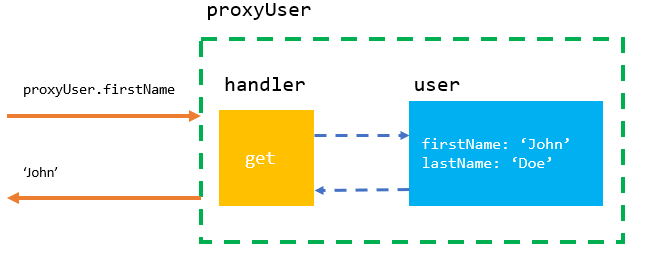
A Proxy in JavaScript acts as a wrapper around another object, known as the target. It allows you to:
- Intercept fundamental operations on the target object
- Redefine how these operations behave
These operations include:
- Property lookup
- Assignment
- Enumeration
- Function invocation
With a Proxy, you can inject custom logic when getting or setting properties. This capability is particularly useful for:
- Implementing validations
- Triggering notifications
- Enabling automatic data binding
1. The Lazy Greeter
Ever had a friend who only says their full name when asked? That’s our lazy greeter:
let friend = new Proxy({ firstName: "Jane", lastName: "Doe" }, { get: (person, prop) => { if (prop === "fullName") { return `${person.firstName} ${person.lastName}`; } return person[prop]; }});console.log(friend.fullName); // Output: Jane Doe
2. The Nosy Neighbor
This proxy keeps track of how many times you’ve asked about something:
let neighbor = new Proxy({ visits: 0 }, { get: (target, prop) => { target.visits++; console.log(`You've asked about ${String(prop)} ${target.visits} times!`); return target[prop]; }});neighbor.cat;neighbor.dog;neighbor.cat;
3. The Unbudging Boulder
Create an object that refuses to change, like a stubborn boulder:
function makeStubborn(obj) { return new Proxy(obj, { set: () => { console.log("Nice try, but I'm not changing!"); return true; } });}let boulder = makeStubborn({ weight: "very heavy" });boulder.weight = "light as a feather"; // Console: Nice try, but I'm not changing!console.log(boulder.weight); // Output: very heavy
4. The Chatty Builder
A proxy that loves to talk about what it’s building:
function chattyCar() { let car = {}; return new Proxy({}, { get: (target, prop) => { return (value) => { console.log(`Ooh, adding ${value} as the ${String(prop)}!`); car[prop] = value; return target; }; } });}chattyCar().setColor("red").setWheels(4).setEngine("V8");
5. The Forgetful Library
A proxy that fetches books only when you ask for them:
let library = new Proxy({}, { get: (shelf, book) => { console.log(`Searching for "${String(book)}"...`); return `Here's "${String(book)}" for you!`; }});console.log(library.Moby_Dick);console.log(library.Pride_and_Prejudice);
6. The Strict Parent
A proxy that ensures you follow the house rules:
let kidsBedtime = new Proxy({ time: 9 }, { set: (rules, prop, value) => { if (prop === 'time' && (value 10)) { console.log("Bedtime must be between 7 PM and 10 PM!"); return false; } rules[prop] = value; return true; }});kidsBedtime.time = 8; // Works finekidsBedtime.time = 11; // Console: Bedtime must be between 7 PM and 10 PM!
Extra. The Town Crier
A proxy that announces every change:
function townCrier(person) { return new Proxy(person, { set: (target, prop, value) => { console.log(`Hear ye, hear ye! ${String(prop)} is now ${value}!`); target[prop] = value; return true; } });}let mayor = townCrier({ name: "Ms. Sherif" });mayor.name = "Mr. Sherif"; // Console: Hear ye, hear ye! name is now Mr. Sherif!
Remember, while proxies are super cool, they’re like superpowers — use them wisely! They can make your code slower if overused, and might confuse your teammates if you’re not careful. But when used right, they can make your JavaScript objects do amazing things!
In Plain English 🚀
Thank you for being a part of the In Plain English community! Before you go:
- Be sure to clap and follow the writer ️👏️️
- Follow us: X | LinkedIn | YouTube | Discord | Newsletter
- Visit our other platforms: CoFeed | Differ
- More content at PlainEnglish.io
6 Use Cases for Javascript Proxies 🧙 was originally published in JavaScript in Plain English on Medium, where people are continuing the conversation by highlighting and responding to this story.